Ensuring Electrical Safety and Compliance: A Guide to Keeping You Safe
Learn the key tests involved in electrical compliance testing, including visual inspection, insulation resistance, earth continuity, RCD testing and load performance checks.
In today’s fast-paced business world, electrical safety is paramount. Organisations must adhere to strict compliance standards to safeguard their employees, minimise the risk of accidents and meet regulatory requirements. But which tests are essential for electrical compliance testing?
In this guide, we’ll walk you through the crucial tests conducted during the test and tag process to ensure electrical safety and compliance.
- Visual Inspection
- Insulation Resistance Test
- Earth Continuity Test
- Earth Leakage Current Test
- Polarity Test
- Test for Operation of RCDs (Residual Current Devices)
- Load and Performance Testing
1. Visual Inspection
The first line of defense in electrical compliance testing is the visual inspection. This essential step involves a thorough examination of electrical appliances and equipment for any visible signs of damage.
Technicians look for frayed cords, loose connections, broken components or any other issues that may compromise safety.
2. Insulation Resistance Test
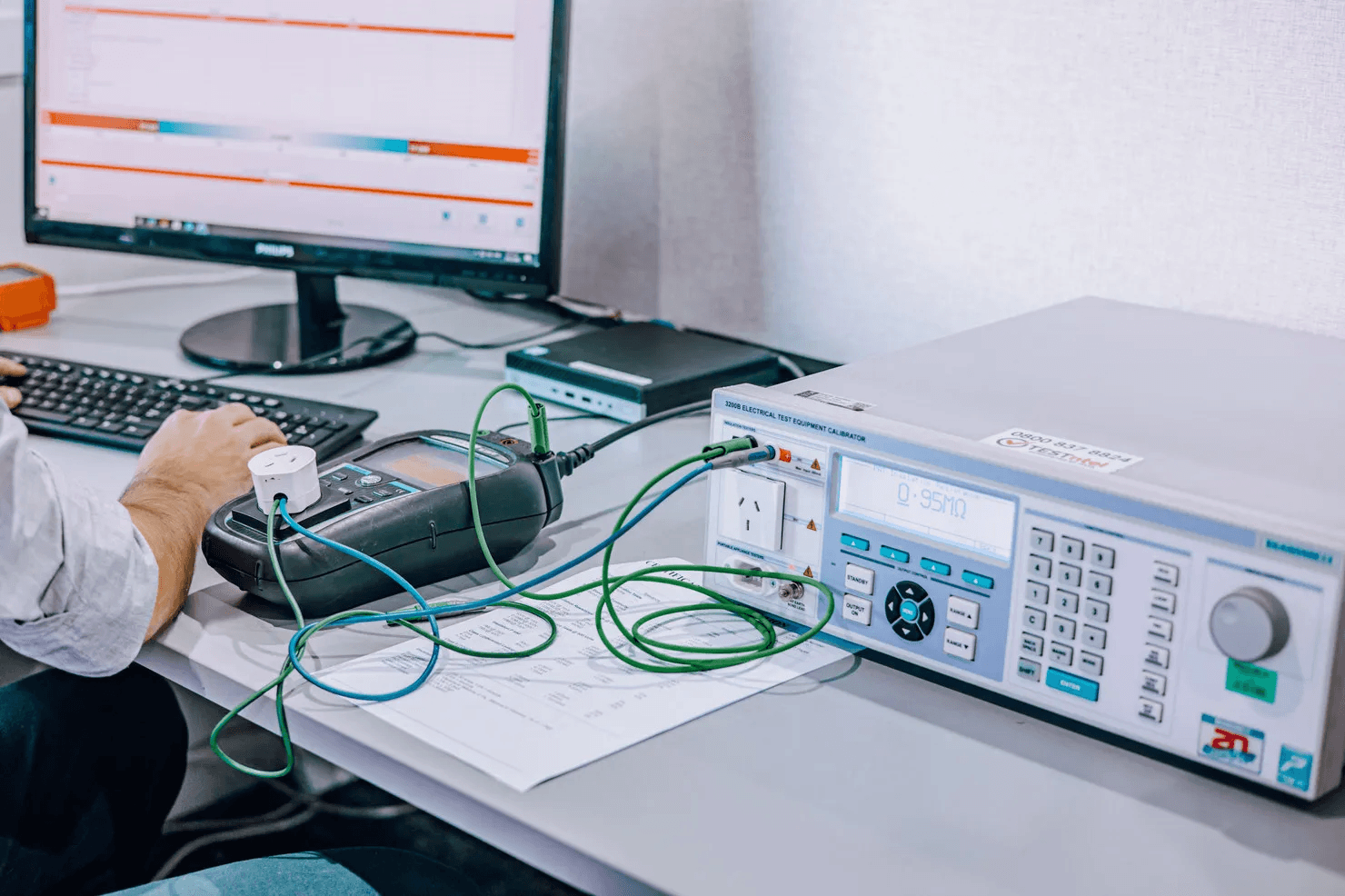
The insulation resistance test measures the resistance of insulation materials within an appliance. This test helps detect any leakage or deterioration of insulation, which could pose a significant risk of electric shock or short circuits.
3. Earth Continuity Test
Also known as the bonding test, the earth continuity test ensures that all exposed conductive parts of an appliance are effectively connected to the earth. This test verifies that the appliance’s grounding system is functioning correctly, enhancing overall safety.
4. Earth Leakage Current Test
The earth leakage current test measures the amount of current flowing to the earth from an electrical system. Detecting abnormal leakage currents can lead to timely repairs and prevent potentially hazardous situations.
5. Polarity Test
Correct wiring is fundamental to electrical safety. The polarity test verifies that live and neutral wires are correctly identified and connected. This step ensures that appliances are correctly wired, reducing the risk of electrical accidents.
6. Test for Operation of RCDs (Residual Current Devices)
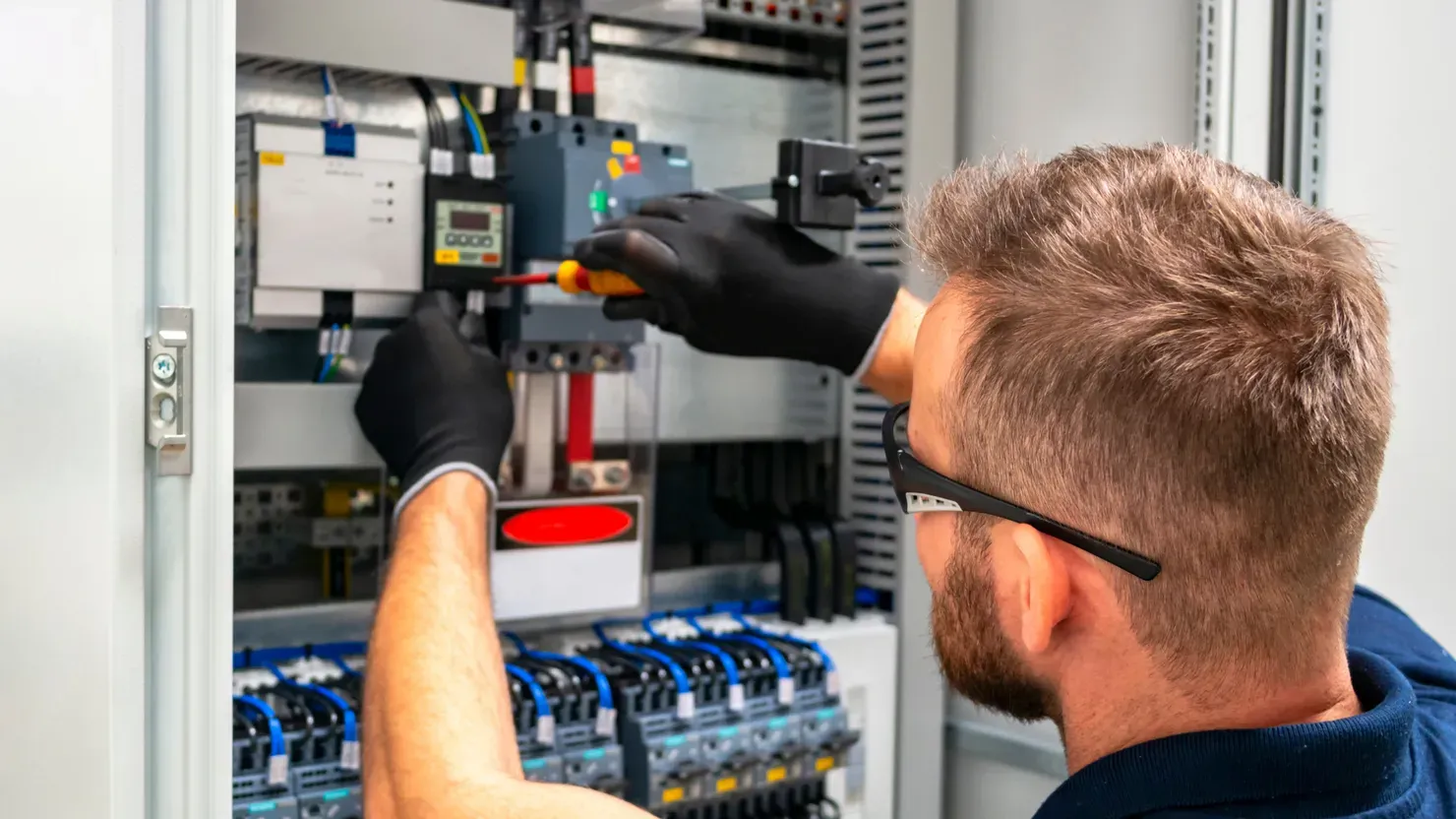
Residual Current Devices (RCDs) are safety devices designed to rapidly disconnect the power supply in the event of a fault. It serves as a last line of defense against electric shock and electrical fires.
7. Load and Performance Testing
In some cases, appliances need to undergo load and performance testing. This involves testing their performance and operation under various loads and conditions to ensure they function safely and reliably.
For example, some printers and heater in the office may require this type of testing to ensure their proper operation.
Electrical compliance testing is not just a regulatory requirement; it’s a crucial aspect of ensuring the safety of your workplace and employees. Partner with a reputable testing and tagging service to conduct these essential tests and create a safer environment for all.
Learn more about TESTntel services.
The following content from TESTntel is provided as general information. TESTntel does not accept any liability for its accuracy or completeness. Visitors using this information do so at their own risk.